Holiday family gatherings often present the perfect opportunity to identify your family’s philanthropic identity and create a shared vision.
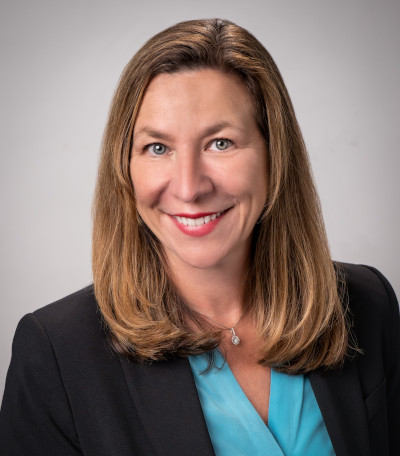
Head of The Private Bank and Wells Fargo Partnerships
Every December, my family and I make our way to a local cemetery. Our arms filled with wreaths of fresh evergreen tied with red bows, we weave our way through the headstones to place the wreaths on the final resting places of veterans who served our nation.
Volunteering with Wreaths Across America has become one of our holiday traditions. My father is a veteran, and we’ve loved being involved in service projects for the veteran community. As a teenager, my daughter even organized events to raise funds for Veterans Bridge Home, a local organization that provides support and advocacy for service members, veterans, and their families.
I often speak with clients who are passionate about philanthropy but are unsure how to involve their families. The truth is, when generosity becomes a shared value, it can foster deeper connections and create a legacy that lasts for generations. But meaningful family philanthropy doesn’t happen by accident — it begins with intentionality. Thankfully, holiday family gatherings often present the perfect opportunity to get the entire family involved.
Strategize as a family
When your family gets together this holiday season, consider engaging them in a group conversation about giving and the possibility of working toward a common philanthropic goal. Rather than imposing a plan, start the conversation and ensure everyone, including each generation, has a voice.
The discussion can help lead your loved ones to identify your family’s philanthropic identity and create a shared vision. My advice: Make it personal to make it meaningful. Ask yourselves what matters to everyone most. Do you share a passion in education or environmental conservation? Reflect on your family’s personal experiences. Perhaps you have a family member dealing with a medical condition or a loved one who went through a hardship like homelessness or domestic violence. When your philanthropy is rooted in personal meaning, it becomes more than a financial transaction; it becomes a reflection of who you are and what your family stands for.
Don’t hesitate to seek guidance for your family meeting. Your advisor can connect you with philanthropic specialists who help navigate sensitive topics and family dynamics. For example, my colleague Stephanie Buckley, Head of Philanthropic Services, recommends working together as a family to create a family mission statement to help your giving feel more tangible and actionable.
Get your hands dirty
There is nothing that can help make your family philanthropy more tangible than actually engaging in work to support your cause. Once you have selected your charitable mission, find a related service project or volunteer opportunity that you can do together as a family. Serve a meal at a shelter, sort donations for children, or organize a stream clean-up. There are plenty of opportunities during the holidays.
Doing this kind of work not only makes you feel good, but it also grounds your family members, gives them a chance to see first-hand how the family’s contributions will be used, and perhaps even helps them identify additional needs that your family can rally around. Meanwhile, you’re spending quality time together that you all will remember and cherish.
Keep it going
Your family’s philanthropic efforts don’t have to be a one-time event. When everyone feels connected to the mission, the impact becomes more powerful and enduring.
Maintain momentum by making philanthropy a regular part of your family’s rhythm. This could mean attending events together or volunteering again as a group. These activities deepen your connection to the causes you support and provide opportunities for family members to see the results of their generosity. Periodic check-ins with the organizations you support can also help keep everyone informed and inspired by the progress being made and aware of new needs that may arise.
Consider holding regular family meetings dedicated to philanthropy. These gatherings can serve as a space for collaboration and shared decision-making, allowing each family member to feel valued in the process. Over time, this kind of involvement can evolve into more formal roles, such as serving on nonprofit boards — further deepening your family’s commitment and influence.
Your advisor and philanthropic specialists can be invaluable partners, especially when considering giving strategies like donor-advised funds or even the creation of a foundation. They can help your family build a sustainable, impactful approach to philanthropy.
With thoughtful planning and open communication, your family’s philanthropic journey can be as rewarding as the impact you make, laying the groundwork for a family legacy of compassion and purpose.
Wells Fargo & Company and its affiliates do not provide tax or legal advice. This communication cannot be relied upon to avoid tax penalties. Please consult your tax and legal advisors to determine how this information may apply to your own situation. Whether any planned tax result is realized by you depends on the specific facts of your own situation at the time your tax return is filed.
Donations are irrevocable charitable gifts. The sponsoring organizations maintaining the fund have ultimate control over how the assets in the fund accounts are invested and distributed. Donor Advised Funds donors do not receive investment returns. The amount ultimately available to the Donor to make grant recommendations may be more or less than the Donor contributions to the Donor Advised Fund. While annual giving is encouraged, the Donor Advised Fund should be viewed as a long-term philanthropic program. Tax benefits depend upon your individual circumstances. You should consult your Tax Advisor. While the operations of the Donor Advised Fund and Pooled Income Funds are regulated by the Internal Revenue Service, they are not guaranteed or insured by the United States or any of its agencies or instrumentalities. Contributions are not insured by the FDIC and are not deposits or other obligations of, or guaranteed by, any depository institution. Donor Advised Funds are not registered under federal securities laws, pursuant to exemptions for charitable organizations.
Trust Services are available through Wells Fargo Bank, N.A. and Wells Fargo Delaware Trust Company, N.A.